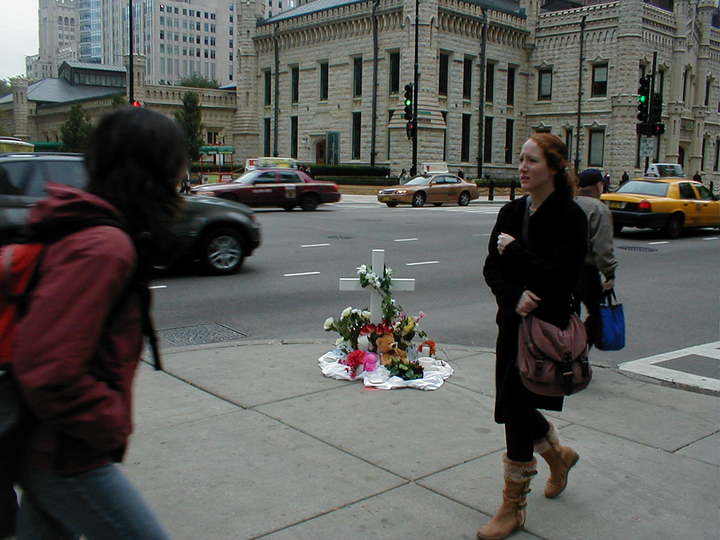
Chicago will soon decide whether to install protected bike lanes on Milwaukee Ave. this spring between Elston and Kinzie, as the first stretch of safety improvements that will eventually extend all the way to Devon.
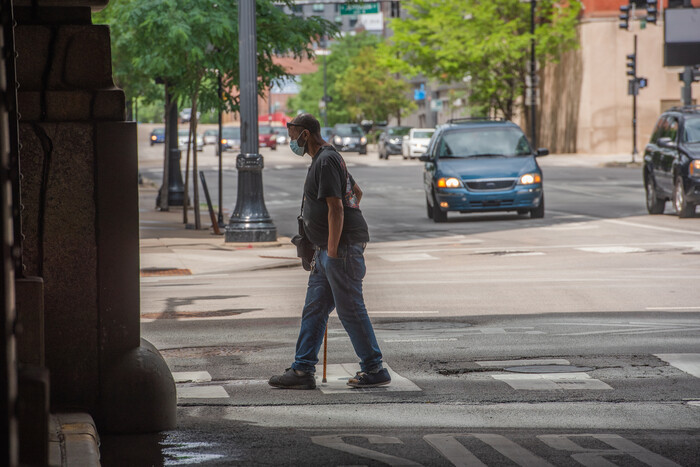
By creating more order on an often chaotic and hazardous street, protected bike lanes would make Milwaukee Ave. safer for everyone, whether you are walking, biking or driving.
Consolidating some parking may be required to create a safer street, and that's worth it. Unfortunately, barrier-protected bike lanes could be left out of improvement plans as the city assesses how to use limited street space. Please sign the petition telling Chicago city officials to install barrier-protected bike lanes on Milwaukee Ave.
TAKE ACTION TODAY!
Click here to sign the petition supporting protected bike lanes on Milwaukee Ave.
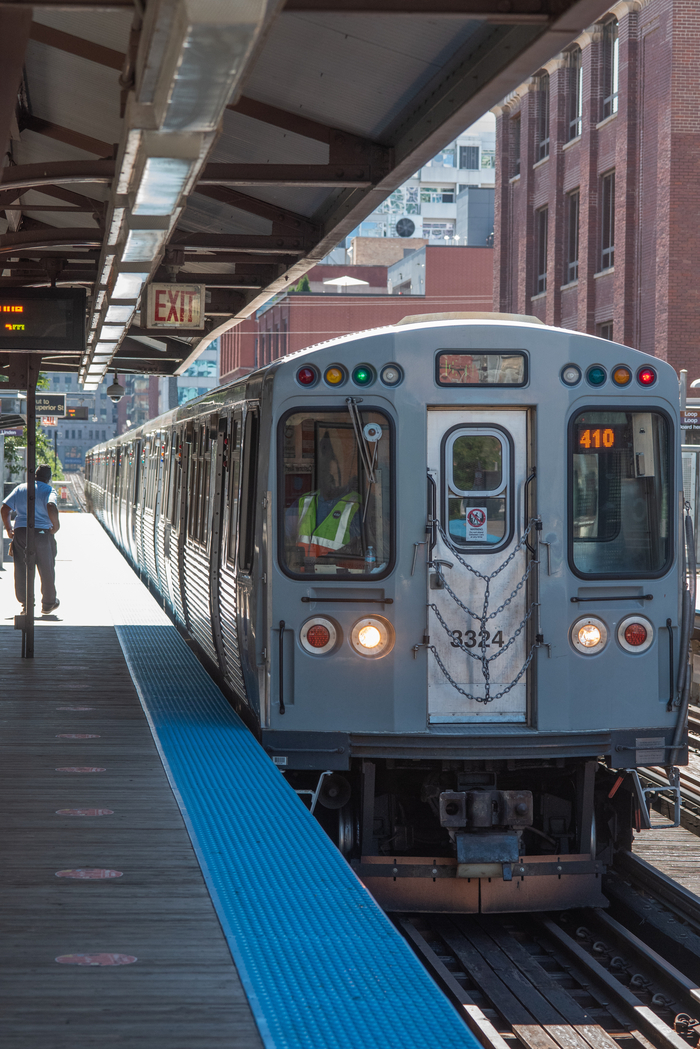
Metra CEO Alex Clifford did his cash-strapped agency no favors Wednesday at his City Club presentation by asserting that Metra's largest fare increase ever (25 percent) didn't contribute to a 1.7 percent ridership decline in 2012.
Clifford rightfully made the case for more capital dollars to close a huge funding deficit for maintenance and repairs, but then gave politicians a convenient out by saying Metra riders, and would-be riders, aren't dissuaded by fare increases. If that's true, then elected leaders who control the purse strings might simply tell Metra to keep raising fares to close its funding gaps. If riders don't care about fare increases, why should politicians?
But riders do care, and you can be sure that a modest percentage of riders dumped Metra while fewer new riders took to the rails because of higher fares.
Clifford's claims are also inconsistent with Metra's new promotion to attract riders with, you guessed it, free rides! If fare prices don't matter, why give away rides?
It's true that Metra is still a great value for its typical commuters, but only 12 percent of suburbanites can get to a typical job in less than 90 minutes on transit. And even those fortunate few won't find Metra a good value if fares keep going up and up.
With suburban transit cash strapped and not especially convenient for nearly 90 percent of its potential customers' commutes, Metra should be lamenting the need for large fare increases, not excusing it.
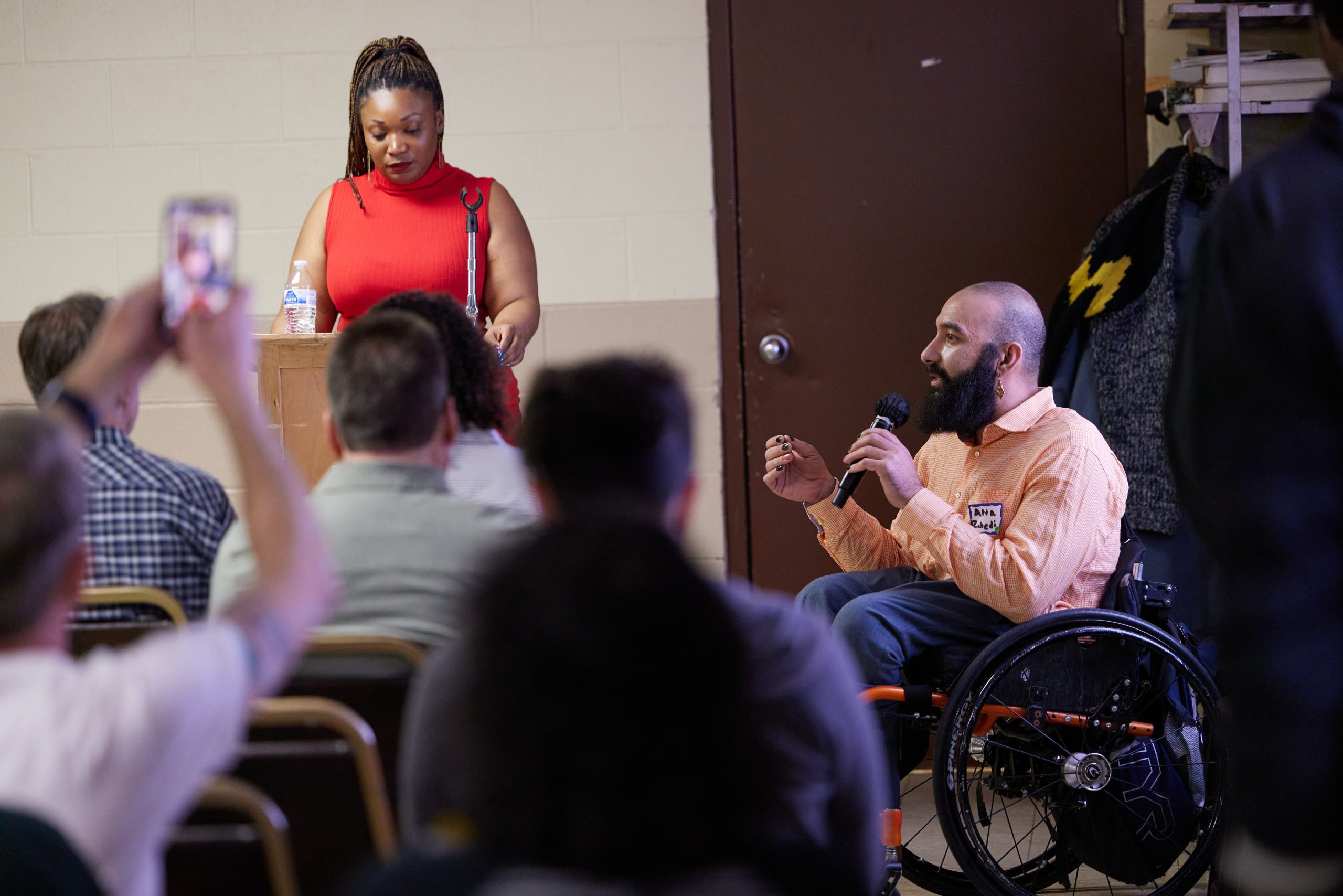
Thanks to all of you who joined us on Monday for the Riders for Better Transit Summit: Building a 21st Century Transit System. The event was a huge success! We had over 120 attendees, including elected officials, local transit agencies, transportation professionals and, of course, our members!
In case you missed it, the event featured 11 great presenters who spoke about why transit is important, the kind of difficulties it’s facing in our region today and how we can look at transit governance and transit funding for solutions to move transit forward.
Carol Coletta, urban policy expert and commentator, started the event off with an important question: What kind of transit will we leave to our children? Active Trans Executive Director Ron Burke also helped set the stage for discussion by laying out some of the problems that transit in our region is facing, and Scott Bernstein of the Center for Neighborhood Technology gave us a vision for the future of transit in our region.
The event featured two panels, one on transportation governance and one on transportation funding. Steve Schlickman, executive director of UIC’s Urban Transportation Center facilitated the panel on transit governance where John Gates, board chairman of the RTA, Frank Beal of Metropolis Strategies and Dan Cronin, chairman of DuPage County, weighed in on the strengths and weaknesses of the RTA.
The topic is a timely one since Metropolis Strategies has announced their support for state legislation that would drastically change the RTA by combining its functions with the Chicago Metropolitan Agency for Planning. The panelists discussed this option as well as what responsibilities the RTA has to growing suburban areas like DuPage County, which contributes significantly to the funding for our system and is interested in more transit.
In our second panel, Jacky Grimshaw, also of CNT, lead a discussion about where we can look for new sources of funding for transit. With many transit agencies facing a shortage of funds, and less and less help coming from the federal government for new transit projects, it’s clear that transit in the Chicago region needs new investment.
Randy Blankenhorn of CMAP, Peter Skosey from MPC and Transportation for America’s Georgia Gann shared new ideas about where to look for this much needed revenue. Some of the ideas included revisiting the current gas tax and exploring congestion mitigation pricing, as well as ideas like expanding the sales tax base to services.
Thank you to all of our speakers for sharing your expertise with us! And thank those of you who attended for your positive feedback. Check out what others are saying about the event in this story on DNAinfo.com.
Interested in some of the information presented at the summit? The slides from the event can be found here.
Spring officially begins on March 20 this year, just five weeks away. As Chicagoans know, construction crews return to the streets when spring arrives. We're excited about that because it means the city will get back to work installing new bikeways, making our streets safer for everyone.
What can we look forward to this spring? The city's Streets for Cycling Plan 2020 (PDF) calls for more than 16 miles of new bikeways by May 2013!
The plan is a roadmap to guide the development of a citywide network of bikeways, but the inclusion of a street in the plan does not mean that a bikeway project has been approved by the alderman or necessary government agencies.
Making the plan a reality will still require advocacy and outreach to keep bikeway projects moving forward -- and we're depending on supporters like you to speak up with us. With the state putting down roadblocks for projects like these, you can help right now by telling Gov. Quinn to end the state's obstruction of safer streets for biking.
We've updated our Chicago Bikeways Tracker map so you can see what projects from the plan have been completed and what's proposed for installation by May. Here are a few highlights.
To learn more about ways you can help support these projects this spring, make sure to sign up as a Neighborhood Bikeways Campaign supporter here.
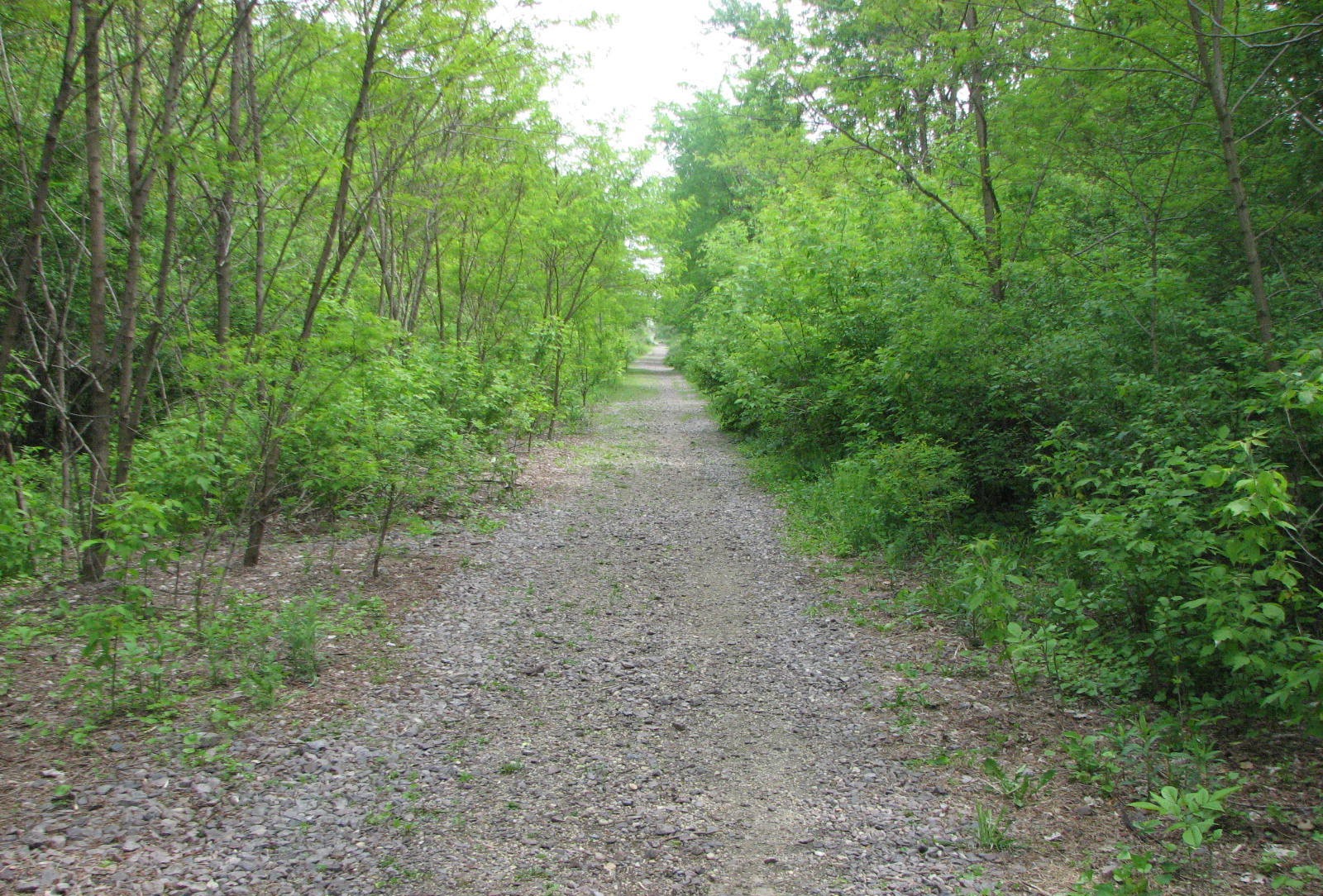
The Illinois Prairie Path lost a great advocate with the recent death of Jean Mooring at the age of 86. Jean, along with her husband Paul, were unstoppable in their long-term commitment to getting the nation’s first successful rail trail off the ground.
This year, the Illinois Prairie Path is celebrating its 50th anniversary. Jean Mooring worked as a volunteer on the West Suburban path for 48 of those years. She was the editor of the Illinois Prairie Path not-for-profit group’s newsletter for 16 years and served on the group’s board of directors for 32 years, a role the long-time Glen Ellyn resident continued until her death.
In 1988, Prairie Path volunteers received a national Take Pride in America Award. At a White House ceremony, the Moorings accepted the award on behalf of all the path’s volunteers.
While Jean Mooring’s mobility was limited in recent years, she still enjoyed getting out on the path so she could marvel at the many people enjoying the fruits of her labor. She loved to see people biking, walking and running along the scenic 62-mile trail.
The Rails-to-Trails Conservancy's magazine recently published a feature article (PDF) to honor the 50th anniversary of the Prairie Path and the long-term dedication of the Moorings and another married couple who volunteered on the path for many years. Even though setbacks and challenges were not uncommon during her many years of volunteering, Jean Mooring said in the article:
“You will always find more joy than adversity” in a trail-building project such as this, “and you have the satisfaction of improving people’s lives.”
It’s no secret that money for transit is tight. We see evidence of funding challenges in our region's deteriorating train tracks and stations and in the limited transit service in many city and suburban communities.
It’s clear that to achieve a world-class transit system that can accommodate growing ridership and a growing economy, we need ambitious plans -- but ambitious plans will require better funding. At our upcoming summit on Feb. 25, civic leaders will present ideas on how we can better invest in making Chicagoland transit truly world class. Read the full summit program (and be sure to register by Feb. 20).
The Funding Matters panel will feature Randy Blankenhorn, executive director of the Chicago Metropolitan Agency for Planning; Kevin DeGood, deputy policy director of Transportation for America; and Peter Skosey, vice president of the Metropolitan Planning Council. It will be moderated by Jacky Grimshaw, vice president of policy at the Center for Neighborhood Technology.
In 2013, the Regional Transportation Authority budget anticipates that it will cost $2.729 billion to operate the transit services of CTA, Metra and Pace for the year. In addition to those operating costs, capital investment is needed to maintain and grow the system.
But with funding from federal, state and local sources falling short of even maintaining a state of good repair and operating robust service, how can we aspire to a 21st Century transit system without better funding? CTA, for example, explains that even if its entire capital backlog was funded and the system was already in a state of good repair, its funding would fall far short of what's needed to maintain that condition.
CTA would need $844 million annually just to keep the system in a state of good repair, but the average capital funding level over the next 5 years is only $559 million. How can we not only get the system in a state of good repair and close that $285 million gap to keep it that way, but also fund much-needed improvements and expansions in transit service?
In 2010, the Chicago Metropolitan Agency for Planning published the Go To 2040 regional plan with wide support across the Chicago region, outlining several funding options that have yet to be implemented. Last year, Congress passed MAP 21, a new federal transportation bill that includes tools to finance public transportation projects. Additionally, civic leaders are suggesting we explore other innovative funding techniques such as public private partnerships, value capture and changes in our gas or sales tax structure. How much promise do these funding options hold and how do we move them forward?
Join Riders for Better Transit on Feb. 25 for a summit on Building a 21st Century Transit System: a discussion of public transportation’s future, funding and governance in Chicagoland.
REGISTER BY FEB. 20!
February 25, 2013
8:30 a.m. to 12:00 p.m.
UBS Tower Conference Center, 1 N. Wacker Dr., Chicago, IL
Registration: $25, or $15 for Active Transportation Alliance members/donors. Includes continental breakfast with coffee.
Visit www.activetrans.org/TransitSummit2013 for the full program and to register!
AICP CM credits pending
Also featuring:
Active Trans is recruiting volunteers for 2013 MB Financial Bank Bike the Drive, Sunday, May 26.
For this event, we need helping hands before, during and after the event--from packet pick-up, to fueling participants at rest stops, directing riders along the course and helping to break down the event.
A range of opportunities await you. See which position is right for you and sign up today.
The benefits of volunteering:
This amazing biking event is Active Trans' biggest fundraiser that supports our work to improve biking, walking and transit. We rely on the continued support and enthusiasm from our volunteers to produce an event of this scale. Join us at the MB Financial Bank Bike the Drive!
For more details visit www.bikethedrive.org/volunteer or contact Becca Dill, Volunteer Coordinator at becca@activetrans.org or 312.427.3325 x234.
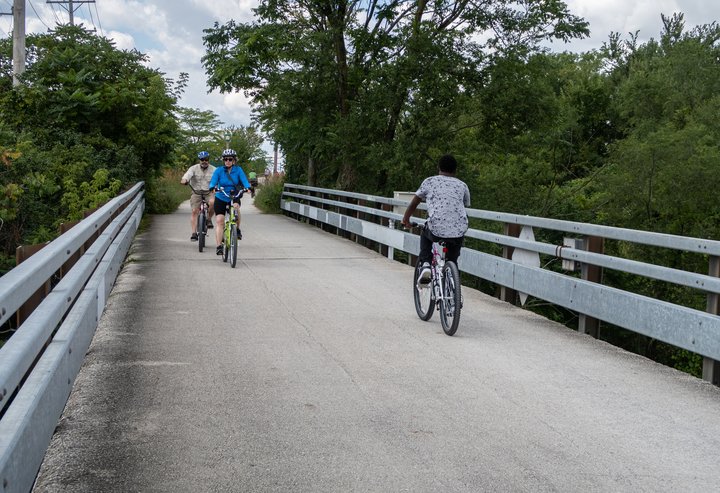
Whether you're an 8-year-old child or 80-year-old grandmother, you should be able to ride a bike on your community's streets without fearing for your safety. Barrier protected bike lanes are designed with all kinds of people in mind to make biking a safe and easy option for everyone.
But Streetsblog Chicago and the Chicago Tribune have revealed that the Illinois Department of Transportation (IDOT) has put the brakes on barrier protected bike lanes and safer streets. This will impact plans for safer streets in both the City of Chicago and the suburbs.
Please sign this petition telling Gov. Quinn that IDOT must cooperate with local communities to create safer streets for biking!
TAKE ACTION TODAY!
Tell Gov. Quinn: Don't put the brakes on protected bike lanes and safer streets
Equity in bicycling is taking front stage with the creation of a new Equity Advisory Council by the League of American Bicyclists.
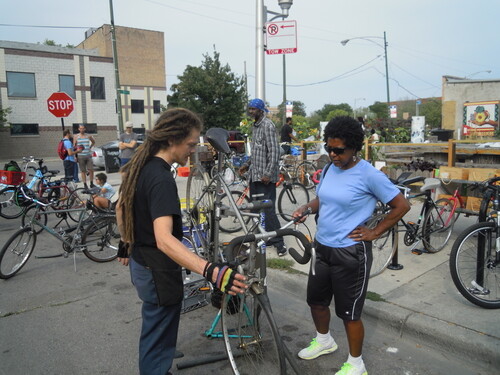
Among the members named to the council are two with Chicago connections. Keith Holt (formerly an Active Trans staffer and founder of Milwaukee Bicycle Works) and Eboni Hawkins (founder of the Chicago chapter of Red, Bike and Green) have been selected to join a national panel of experts and advocates to help identify strategies for increasing equity and inclusivity in the bicycling movement.
The League states,
"One of the League’s priorities in 2013 — and beyond — is to change the face of bicycling and work toward true equity and inclusion in the movement. For years, diversity has been a buzz word, a one-hour conference topic. We need to do more. To address equity, an organization has to commit dedicated staff, time and funding...We’re excited to announce the launch of a strategic process engaging diverse leaders and advocates to assist in addressing equity and inclusion within our organization, its programs and external efforts. This work will be informed, developed and led by the newly convened Equity Advisory Council, comprised of 10 diverse leaders from different backgrounds working in their communities to get more people on bikes."
Congrats to the League and to Keith and Eboni for taking on this important work!
You may have been following the hearty civic conversation in the news about what’s working and what’s not working with Chicagoland’s transit governance and the Regional Transportation Authority (RTA). At our upcoming summit on Feb. 25 (register today!), you’ll have a chance to hear civic leaders discuss their diverse perspectives in person.
The Governance Matters panel will be moderated by Steve Schlickman, executive director of the UIC Urban Transportation Center and former executive director of the RTA. Panelists will include Frank Beal, executive director of Metropolis Strategies; Dan Cronin, chairman of DuPage County; and John Gates, chairman of the RTA.
The RTA is responsible for financial and budget oversight of CTA, Metra and Pace, and regional transit planning issues. It’s a daunting task negotiating between agencies and municipalities with various interests, while overseeing more than $42 billion in assets and more than two million daily transit rides.
In 2008, the Illinois General Assembly passed reforms to the agency, including increasing funding, granting new oversight authority and changing the composition of the board -- yet Chicagoland transit continues to face significant challenges.
Metropolis Strategies, which helped draft the 2008 reform legislation, has recently suggested additional reforms, including the possibility of merging the RTA with the Chicago Metropolitan Agency for Planning (CMAP). DuPage County Chairman Dan Cronin, who voted for the 2008 RTA sales tax increase and reforms as a member of the Illinois State Senate, has also raised questions about how sales tax revenues are allocated to the transit agencies.
Should Chicagoland be considering additional reforms? Does the RTA need wholesale change? What’s working and not working in transit governance and what are potential strategies for improving it?
We're currently developing questions for the panelists. What would you ask them? Email Brenna Conway at brenna@activetrans.org.
Join Riders for Better Transit on Feb. 25 for a summit on Building a 21st Century Transit System: a discussion of public transportation’s future, funding and governance in Chicagoland.
REGISTER TODAY!
February 25, 2013
8:30 a.m. to 12:00 p.m.
UBS Tower Conference Center, 1 N. Wacker Dr., Chicago, IL
Registration: $25, or $15 for Active Transportation Alliance members/donors. Includes continental breakfast with coffee.
Visit www.activetrans.org/TransitSummit2013 for summit information! AICP CM credits pending
The conference will also feature:
• Funding Matters, a panel exploring transit funding moderated by Jacky Grimshaw, vice president of policy at the Center for Neighborhood Technology; with panelists Randy Blankenhorn, executive director of the Chicago Metropolitan Agency for Planning; Kevin DeGood, deputy policy director of Transportation for America; and Peter Skosey, vice president of the Metropolitan Planning Council.
• Presentations by noted urban policy expert and commentator Carol Coletta and Scott Bernstein, president of the Center for Neighborhood Technology.
Copyright © 2013 Active Transportation Alliance | All Rights Reserved | Privacy policy
Recent comments
1 hour 22 min ago
1 hour 29 min ago
1 hour 50 min ago
1 day 19 hours ago
1 day 21 hours ago
3 days 14 hours ago
3 days 16 hours ago
5 days 19 hours ago
6 days 18 hours ago
6 days 23 hours ago